A Theory of Change explains how activities are expected to contribute to results and identifies the assumptions, relationships, actors, and conditions that influence change.
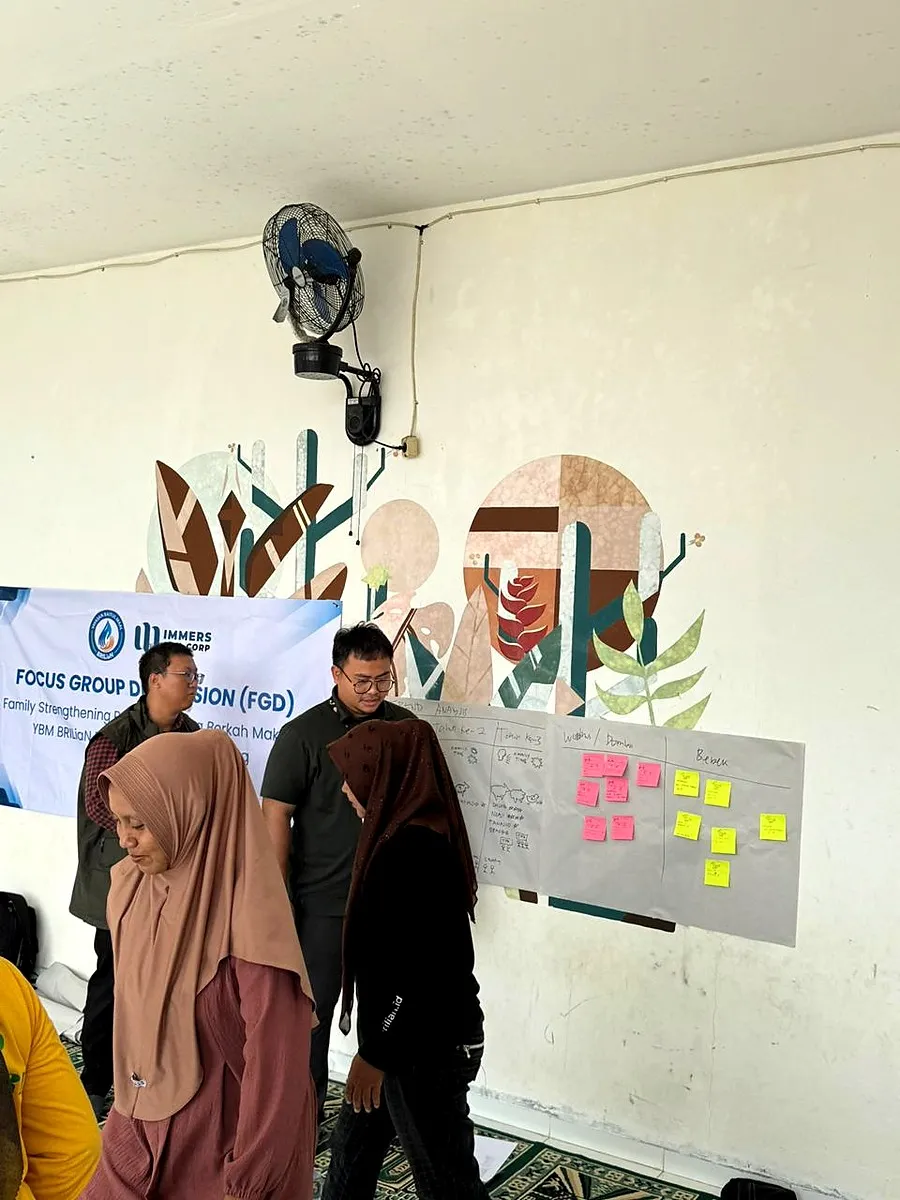
What Is a Theory of Change?
A Theory of Change connects current conditions, intended impact, outcomes, outputs, activities, resources, assumptions, risks, actors, and evidence. It can be expressed through a visual pathway, a narrative, or both (Rogers, 2014).
The value of a Theory of Change is not the diagram itself. The value comes from the strategic discussion required to define change, test assumptions, examine evidence, and make design choices.
Why Program Design Needs It
A Theory of Change clarifies intended change, separates activities from outcomes, makes assumptions explicit, connects design with context, and supports strategic choices about where an intervention can realistically contribute.
Start With the Situation, Not the Activities
The process should begin with the problem, context, affected groups, existing systems, stakeholder roles, and available evidence. Starting with a preferred activity can lead teams to justify a predetermined intervention rather than examine the most relevant pathway.
Develop the Outcome Pathway
A practical process defines intended impact, identifies intermediate and short-term outcomes, selects realistic entry points, determines outputs and activities, clarifies actor contributions, and tests whether the causal links are plausible.
Backward mapping can help teams work from the intended change toward the conditions and interventions required to support it.
Make Assumptions and Risks Visible
Assumptions explain the conditions that need to hold for one result to contribute to another. Risks identify conditions that could disrupt the pathway. Both should be reviewed during design and implementation rather than hidden in the diagram.
Connect Theory of Change With Indicators
Indicators should help the organization understand whether outputs are delivered, outcomes are emerging, assumptions remain valid, risks are changing, and different groups experience different results. Not every box requires an indicator.
The indicator framework should remain proportionate and should include qualitative evidence when numerical indicators cannot fully explain the change process.
Use It During Implementation
A Theory of Change is a working hypothesis. Teams should review whether expected outcomes are occurring, which assumptions have been challenged, how context has changed, what evidence is missing, and what should be adapted.
Common Mistakes to Avoid
- Starting with activities rather than the situation and intended change
- Confusing outputs with outcomes
- Making every connection look certain
- Ignoring external actors and system conditions
- Hiding assumptions and risks
- Producing a diagram without a narrative
- Creating too many boxes for teams to use
- Treating the model as static after approval
Typical Deliverables
- Context and problem analysis
- Stakeholder map and actor analysis
- Outcome pathways and Theory of Change diagram
- Theory of Change narrative
- Assumption and risk registers
- Results framework and indicator matrix
- Learning questions and evidence plan
- Validation workshop and design recommendations
Immersia Project Experience
Immersia connects Theory of Change with index development, baseline research, program design, M&E systems, and impact assessment. In the NAMA Foundation Malaysia engagement, the founding team contributed to index development and Theory of Change review within a wider institutional process.
No client diagrams, internal indicators, assumptions, or confidential recommendations are disclosed in this article.
Conclusion
A useful Theory of Change is contextual, evidence-informed, explicit about assumptions, practical for monitoring, open to revision, and connected to real decisions.
References
- BetterEvaluation. (n.d.). Describe the Theory of Change. Global Evaluation Initiative.
- Rogers, P. (2014). Theory of Change: Methodological briefs, impact evaluation No. 2. UNICEF Office of Research.
- Salib, M. (2022). Theory of Change workbook. United States Agency for International Development.
- United Nations Sustainable Development Group. (2016). UNDAF guidance on Theory of Change.
Does Your Program Need a Clearer Pathway From Activities to Impact?
Immersia can facilitate Theory of Change development, outcome pathway design, assumption testing, and alignment with indicators and learning.
Request a Theory of Change Engagement