A baseline and feasibility study provides structured evidence about current conditions and tests whether a proposed intervention is suitable for its intended context. Together, both studies help organizations move from assumptions to evidence-informed program decisions.
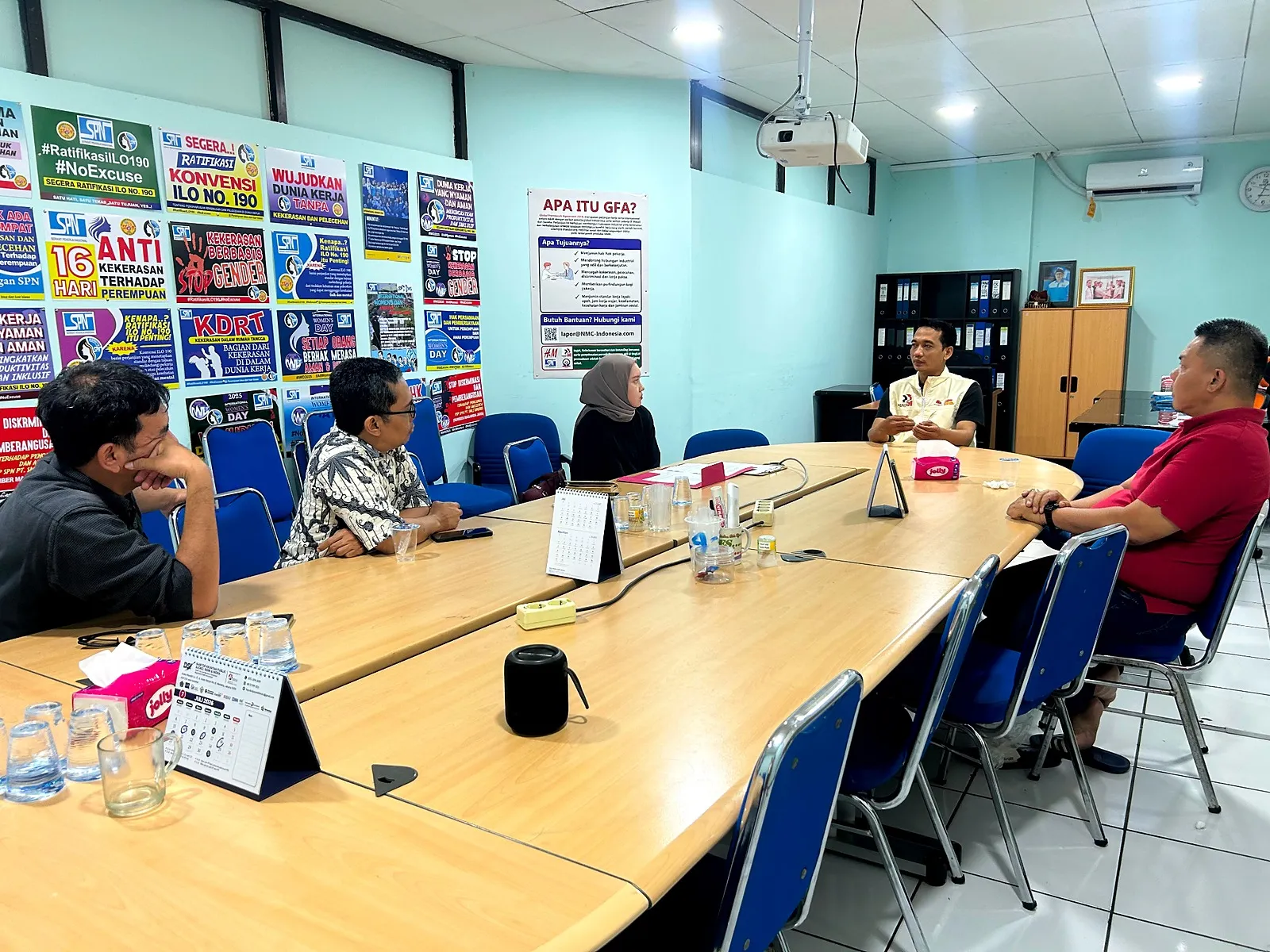
Why Evidence Should Come Before Design
Program teams are often expected to move quickly from a broad objective to a complete intervention model. Without structured evidence, design choices can reflect institutional preferences rather than the realities of participants, partners, systems, and locations. Early research helps clarify what is happening, why it is happening, who is affected, and which responses may be practical.
Evidence gathered before design also creates a defensible foundation for priorities, indicators, partnerships, and resource decisions. It does not remove uncertainty. It makes uncertainty more visible and manageable.
What Is a Baseline Study?
A baseline establishes starting conditions for selected indicators and other relevant program variables before significant implementation begins. It provides a reference point for monitoring progress and assessing change over time. A useful baseline also explains the context behind the numbers through qualitative and quantitative evidence (USAID Bureau for Resilience and Food Security, 2023).
A baseline is not merely a survey. Depending on the decision context, baseline work can include social mapping, stakeholder analysis, institutional assessment, service mapping, qualitative inquiry, and review of existing administrative data.
What Is a Feasibility Study?
A feasibility study assesses whether a proposed intervention is relevant, realistic, and suitable for its intended context. It may examine operational capacity, stakeholder support, technical requirements, resources, social acceptance, risks, coherence, and sustainability (OECD, 2019).
Feasibility should not be reduced to whether an activity can be delivered. The study should also consider whether the intervention is appropriate, whether key actors are prepared to support it, whether intended participants can access it, and whether the organization can sustain the required processes.
How the Studies Work Together
The baseline asks what current conditions look like. The feasibility study asks whether the proposed intervention fits those conditions. Together, both studies can inform target groups, geographic focus, delivery mechanisms, partnerships, capabilities, indicators, resource needs, risks, and sustainability.
Questions the Research Should Answer
- What are the priority needs and how do different groups experience them?
- Which stakeholders influence the issue, and what roles can they realistically play?
- What services, systems, or community resources already exist?
- What barriers could reduce access, participation, or implementation quality?
- What institutional capabilities and partnerships are required?
- Which indicators can be measured consistently over time?
- What risks and unintended effects should be addressed during design?
Typical Process
A practical process may include inception and scoping, desk review, stakeholder mapping, instrument development, fieldwork, baseline measurement, qualitative inquiry, feasibility analysis, validation, and program recommendations. The process should remain connected to the decisions the organization is preparing to make.
Validation is especially important. Stakeholders should be able to review whether the interpretation reflects their context and whether the proposed recommendations are realistic.
Common Mistakes to Avoid
- Treating the baseline as a compliance exercise
- Collecting more data than the organization can use
- Beginning research after key design decisions are already fixed
- Separating researchers from program and operational teams
- Measuring indicators without understanding the context behind them
- Producing recommendations without clear ownership or implementation implications
Typical Deliverables
- Baseline report and executive presentation
- Context analysis and social mapping
- Needs assessment and stakeholder map
- Indicator matrix and baseline values
- Feasibility assessment and risk register
- Program design recommendations
- Data collection instruments and fieldwork documentation
- Validation workshop and management response points
Immersia Project Experience
Immersia is supporting YCAB Foundation through the ANDAL Baseline and Feasibility Study. The confirmed scope includes social mapping, needs assessment, and feasibility analysis. The engagement connects field evidence with decisions about an inclusive youth employment initiative.
No confidential findings, participant data, internal indicators, or project recommendations are disclosed in this article.
Conclusion
A baseline and feasibility study is an investment in better program decisions. Strong design requires a clear understanding of context, stakeholders, evidence, institutional capacity, and the people the program is intended to serve.
References
- OECD. (2019). Evaluation criteria: Adapted definitions and principles for use.
- USAID Bureau for Resilience and Food Security. (2023). Good practice MEL notes: Performance indicator baselines.
- United Nations Development Programme. (2009). Handbook on planning, monitoring and evaluating for development results.
- World Bank Group. (2016). A practical guide for stakeholder analysis using the Net-Map method.
Planning a New Program?
Immersia can support baseline research, social mapping, needs assessment, and feasibility analysis for evidence-informed program design.
Request a Baseline Study Proposal